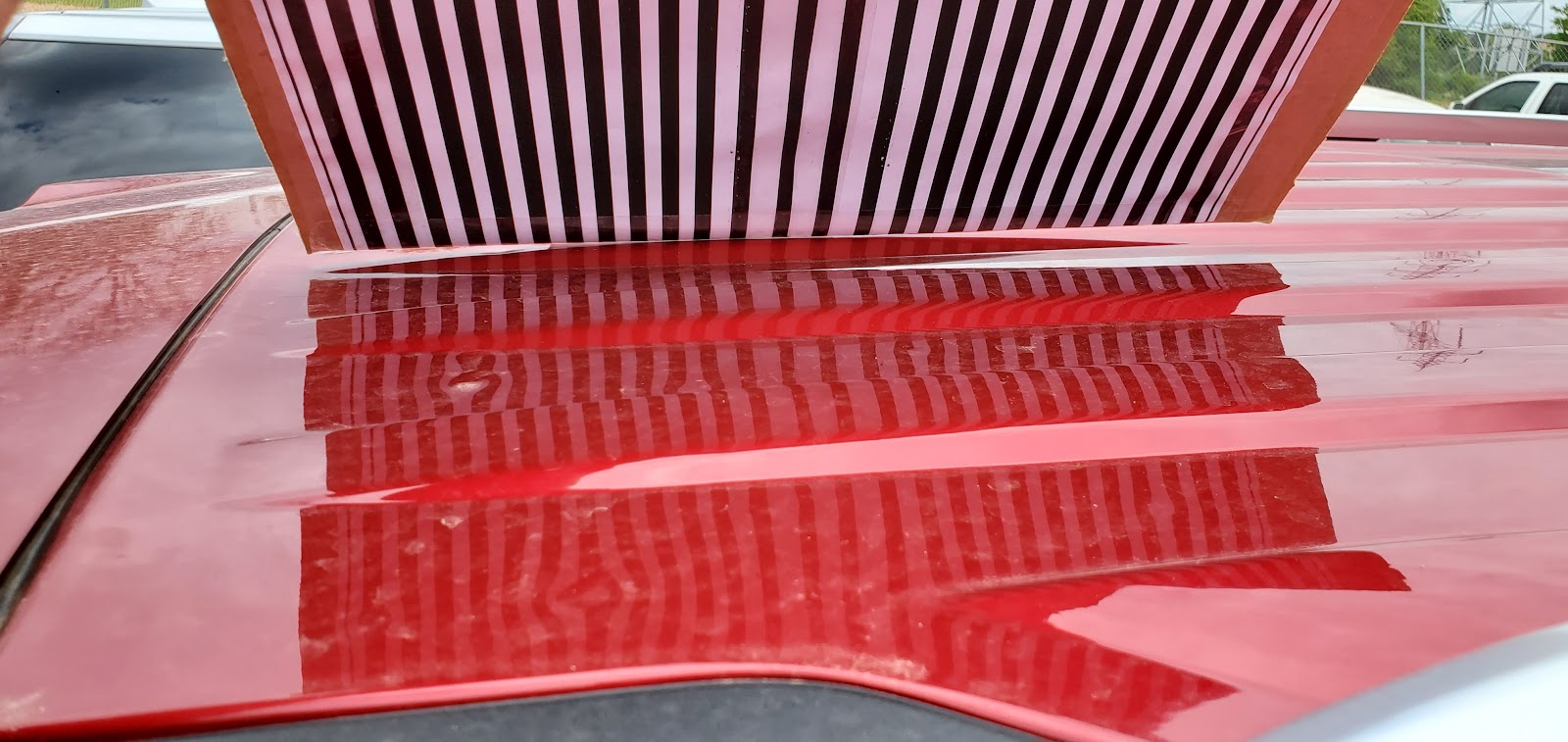
Why Fresh Paint Needs Special Care
New paint is not fully cured when it leaves the shop. Even though it feels dry to the touch, the solvents inside the paint layers continue to evaporate and harden over several weeks. During this curing period, the paint is softer and more vulnerable to damage from dirt, water spots, and chemicals. Many owners make the mistake of washing their car too soon or using the wrong products, which can dull the finish or leave permanent marks.
The type of paint used also matters. Modern automotive paint systems include a primer, a base coat, and a clear coat. The clear coat is the protective layer that gives the paint its shine and resists UV rays. If the clear coat is scratched or contaminated during the curing phase, it cannot be fixed with a simple polish. Taking the right steps from the start will keep the paint looking deep and glossy for years.
The First Few Weeks: Hands Off
For the first 30 to 60 days after a repaint, treat the car gently. Avoid washing it with a hose or pressure washer. Water can seep into the edges of panels and cause the paint to lift or bubble. Do not take the car through an automatic car wash. The brushes and high-pressure jets can mar the soft clear coat. Also, avoid parking under trees where sap, bird droppings, or falling leaves can land on the paint. These substances can etch into the clear coat while it is still curing.
If the car gets dusty, use a microfiber duster or a gentle rinse with a hose set to a low spray. Do not wipe the paint with a dry cloth. That can cause fine scratches called swirl marks. Keep the car in the shade or a garage when possible. Direct sunlight can cause uneven curing, especially in hot weather. The paint needs stable temperatures to harden evenly. Patience during this period will reward you with a durable finish.
Washing Your Car the Right Way
Once the paint has fully cured, you can wash the car normally. Use a pH-neutral car shampoo, not dish soap. Dish soap strips wax and can dry out the clear coat. Use two buckets: one for soapy water and one for rinsing your mitt. This prevents dirt from being dragged across the paint. Wash from the top down, because the lower panels are dirtier. Use a soft microfiber wash mitt and rinse it frequently. Never use a sponge, as it traps grit against the paint.
Dry the car with a clean microfiber towel or a silicone squeegee. Do not let the car air dry, because minerals in the water will leave spots. If you live in an area with hard water, consider using a filtered hose nozzle or a spot-free rinse. Dry the door jambs and trunk edges as well. Moisture trapped in those areas can lead to rust over time. A proper wash routine every two to four weeks will keep the paint looking fresh.
Protecting the Finish with Wax and Sealant
After the paint has cured, apply a layer of wax or paint sealant. Wax provides a warm shine and moderate protection, while synthetic sealants last longer and offer better resistance to UV rays and contaminants. For the best results, use a product designed for automotive clear coats. Apply it in a shaded area and follow the directions on the label. A good wax or sealant will make the paint bead water and repel dirt, making future washes easier.
How often you need to wax depends on your climate and how the car is stored. A car parked outside in the Texas sun will need waxing every two to three months. A garage-kept car can go four to six months. A simple test is to splash water on the hood. If the water does not bead up, the protection is worn. Do not wax over fresh paint before it has cured. The wax can trap solvents and cause the paint to yellow or peel.
Common Mistakes to Avoid
One common mistake is using abrasive polishes or compounds on new paint. These products are designed to remove old clear coat and will damage a fresh finish. Another is parking under sprinklers or near lawn irrigation. The chemicals in treated water can stain the paint. Also, avoid covering the car with a tarp or car cover that is not breathable. Moisture trapped under the cover can cause the paint to blister or develop micro-blisters.
Finally, do not use touch-up paint from a hardware store. Automotive paint is formulated to match the factory color and clear coat system. If a chip or scratch appears, bring the car to a shop that can match the paint properly. At Lost Pines Paint & Body, we use the same paint systems and curing methods that ensure your finish lasts. Treat the paint well, and it will protect your car for years to come.