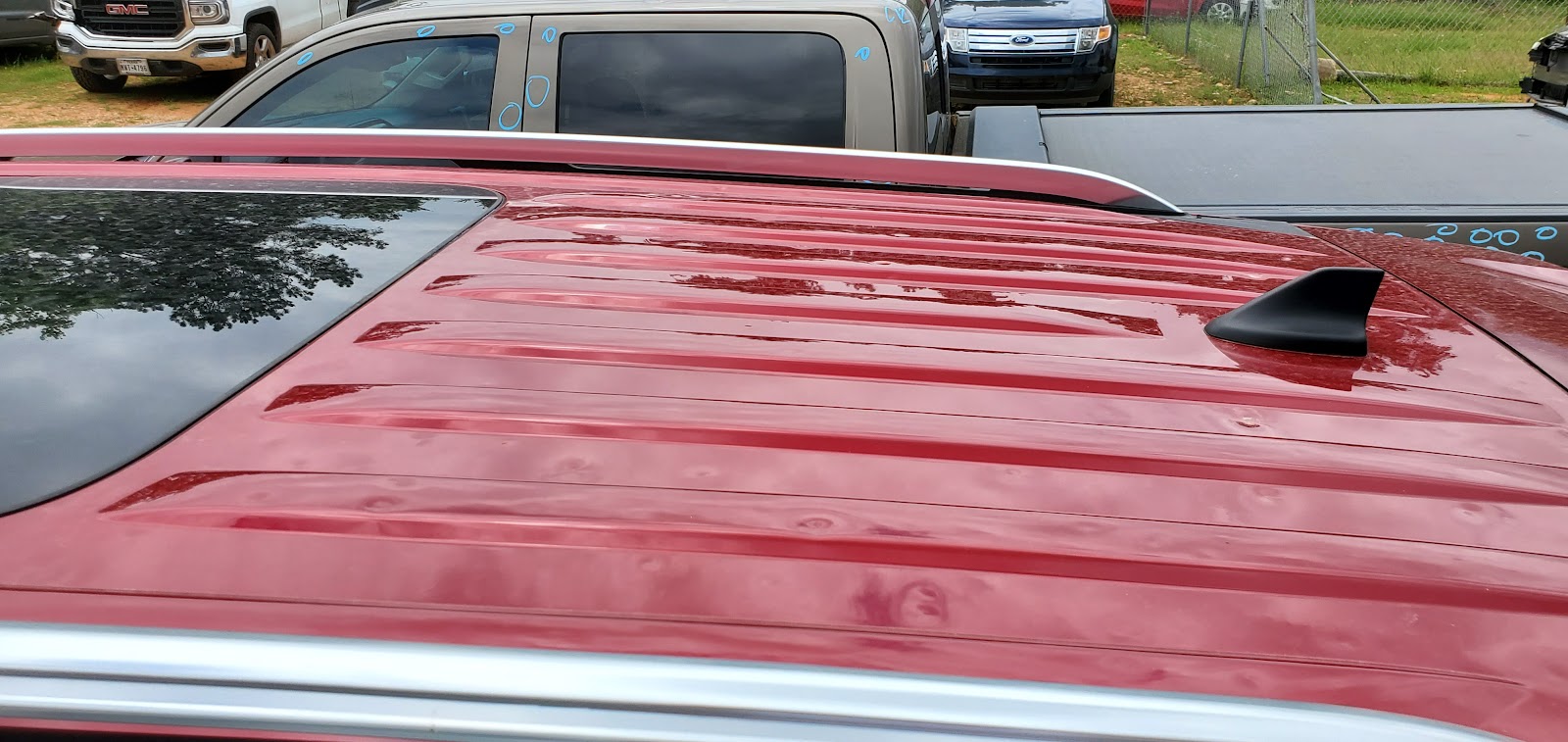
The Extent of Structural Damage
When a vehicle comes in after a collision, the first thing our crew evaluates is whether the damage is cosmetic or structural. Structural damage involves the frame or unibody, the vehicle's underlying skeleton that absorbs impact and keeps the cabin rigid. If the frame is bent or twisted, the repair requires frame straightening equipment, precise measuring systems, and hours of careful pulling to bring it back to factory specifications. This kind of work is more involved than replacing a dented door or a scratched bumper cover, and it drives the cost upward because of the specialized machinery and the time it takes to do it correctly.
Cosmetic damage, such as a dented fender or a cracked taillight housing, is generally less expensive because it does not compromise the vehicle's safety structure. However, even a seemingly minor dent can hide underlying issues. A panel that has been pushed in may have damaged the mounting brackets or the paint layer beneath the clear coat. Our crew always checks for hidden damage before providing a repair plan, because what looks simple on the surface can turn into a more complex job once the panel is removed and the real condition is visible.
Parts Quality and Sourcing
The type of replacement parts used in a repair has a direct effect on the total cost. Original equipment manufacturer (OEM) parts are made by the vehicle's brand to the same specifications as the factory-installed components. They fit exactly, match the original paint and material, and carry the same performance characteristics. Because of that precision, OEM parts cost more than aftermarket or recycled parts. Aftermarket parts are produced by third-party manufacturers and may vary in fit, finish, and durability. Some aftermarket panels require extra labor to align properly, which can offset the initial savings on the part itself.
Recycled or salvage parts come from vehicles that have been dismantled, and they are often a good middle-ground option. They are OEM parts that have been used before, so they fit correctly but are priced lower than new OEM components. The trade-off is that they may show wear or have minor imperfections that need to be addressed. Our crew discusses parts options with every customer, explaining the differences in fit, appearance, and warranty coverage so that you can choose the approach that fits your budget and expectations for the finished repair.
Paint and Refinishing Complexity
Paint work is one of the most labor-intensive parts of any body repair, and the complexity of your vehicle's paint system plays a big role in the final cost. Modern vehicles often use multi-layer paint finishes that include a primer, a base coat, a color coat, and a clear coat. Some vehicles have metallic flakes, pearlescent pigments, or tri-coat systems that require precise mixing and spraying techniques to match the original color. A three-stage pearl paint, for example, takes more time to apply and blend than a standard solid color, because each layer must be cured and checked before the next one goes on.
The size and location of the painted area also matter. Blending paint into adjacent panels, such as blending a repaired fender into the hood and door, ensures that the color matches seamlessly across the whole side of the vehicle. That blending adds labor and material cost because the adjacent panels must be sanded, masked, and painted even if they were not damaged. Our crew uses computerized color-matching systems and spray equipment calibrated for consistent coverage, but the skill of the painter and the time spent on prep work are what ultimately determine whether the repair blends in or stands out.
Labor Hours and Shop Rates
Every repair job is estimated based on the number of labor hours required to complete each step, from disassembly and metalwork to painting and reassembly. Insurance companies and repair shops use industry-standard estimating guides that list the expected time for common operations, such as replacing a bumper cover or straightening a quarter panel. However, those guide times are averages. A vehicle with rust, previous repairs, or aftermarket modifications can take longer because the crew has to deal with seized bolts, mismatched panels, or hidden corrosion that a factory-fresh car would not present.
The shop's hourly labor rate reflects the cost of skilled technicians, specialized equipment, facility overhead, and ongoing training. Rates vary between shops based on the level of expertise and the equipment available. A shop that invests in frame measuring systems, downdraft paint booths, and factory-certified training will typically have a higher rate than a general repair shop that does not offer those capabilities. When you are comparing estimates, it is important to look at the total labor hours and the rate together, not just the bottom line. A lower hourly rate with inflated hours may not be the better deal.
How to Navigate Your Repair Estimate
When you receive a repair estimate, take the time to review it line by line. A thorough estimate should list each damaged part, the type of replacement part proposed (OEM, aftermarket, or recycled), the labor operations with their associated hours, and the paint and materials charges. If anything is unclear, ask the shop to explain what each line item covers. A reputable shop will walk you through the estimate and show you the damaged areas on the vehicle so you can see exactly what is being repaired. Be wary of estimates that are vague or that lump multiple repairs into a single line without detail.
Keep in mind that an estimate is a starting point. Once disassembly begins, hidden damage may be found, such as a cracked bracket behind a bumper or a bent mounting flange that was not visible from the outside. A good shop will contact you before proceeding with any additional work and will provide a supplement to the original estimate. That transparency is a sign of a shop that values trust over shortcuts. At Lost Pines Paint & Body, we take the time to explain every factor that affects the cost of your repair so that you can make an informed decision without surprises.