Scratch & Chip Repair
Scratch & Chip Repair in Bastrop, TX. Free, no-pressure estimates.
4.5 stars on Google
From 254 Google reviews.
Local, and close by
Covering Bastrop, TX & the Lost Pines Region.
Free estimates
Tell us what needs doing and we will come out and take a look.
About our scratch & chip repair
When you find a key scratch on your car door or a rock chip on the hood, that damage is more than an eyesore. It exposes the bare metal or plastic beneath the paint. Moisture and road salt can creep in, causing the paint to lift and rust to form. Homeowners call us because they want the damage gone before it spreads.
We start by cleaning the area with a wax and grease remover. Then we sand the damaged paint with fine-grit paper, feathering the edges so the new paint blends smoothly. After that, we apply a thin layer of primer, let it flash, then spray color in light coats, followed by a clear coat. We use a blending solvent on the clear to merge it into the surrounding finish.
The cost depends on how deep the scratch is and how many panels it crosses. A single chip on a flat hood is quick to fill and sand. A scratch that runs across a door edge or a curved fender takes more time because we have to mask and blend carefully. The paint color also matters: metallic or tri-coat finishes require extra layers and drying time between coats.
On the day of the repair, we park your car in our booth or a clean bay. We tape off the area tightly and cover nearby parts with plastic sheeting. After the paint cures, we wet-sand and buff the repair to match the gloss. You don't need to do anything beforehand, just bring the car clean. Afterward, avoid washing the car or parking in direct sun for 24 hours to let the paint fully harden.
Feathering the Edges
We sand the damaged paint's edges at a shallow angle so the new primer and color don't leave a raised ridge or a visible ring.
Blending Solvent
A special solvent is sprayed over the fresh clear coat to soften its edge, letting it melt into the original paint without a halo.
How we work
- Same crew from quote to clean-up
- We call you before we go further
- Factory-grade paint systems used every time
Get a Free Quote
Our 4-step scratch & chip repair process
Clean & Sand
Wipe the area with degreaser, then sand down the scratch with 400-grit paper, feathering the edges to create a smooth transition.
Prime & Seal
Apply a thin layer of primer to fill the scratch and seal the bare surface. Let it dry, then sand it flush with 600-grit.
Paint & Clear
Spray the color coat in light, even layers, letting each flash off. Follow with two coats of clear, then blend the edges with solvent.
Buff & Polish
After the clear cures, wet-sand with 2000-grit, then buff with compound and polish to match the surrounding gloss.
Why Lost Pines Paint & Body for scratch & chip repair
Stops Rust Cold
A scratch that breaks the paint layer lets moisture reach bare metal. Sealing it with primer and paint prevents rust from spreading under the clear coat.
Invisible Blend
The trick is feathering the paint edge and using a blending solvent. Done right, the repair has no visible line or halo, even in direct sunlight.
Preserves Value
A clean, unblemished paint job keeps your car looking well cared for. Minor chips and scratches, left alone, can turn into costly bodywork later.
Related services
View all services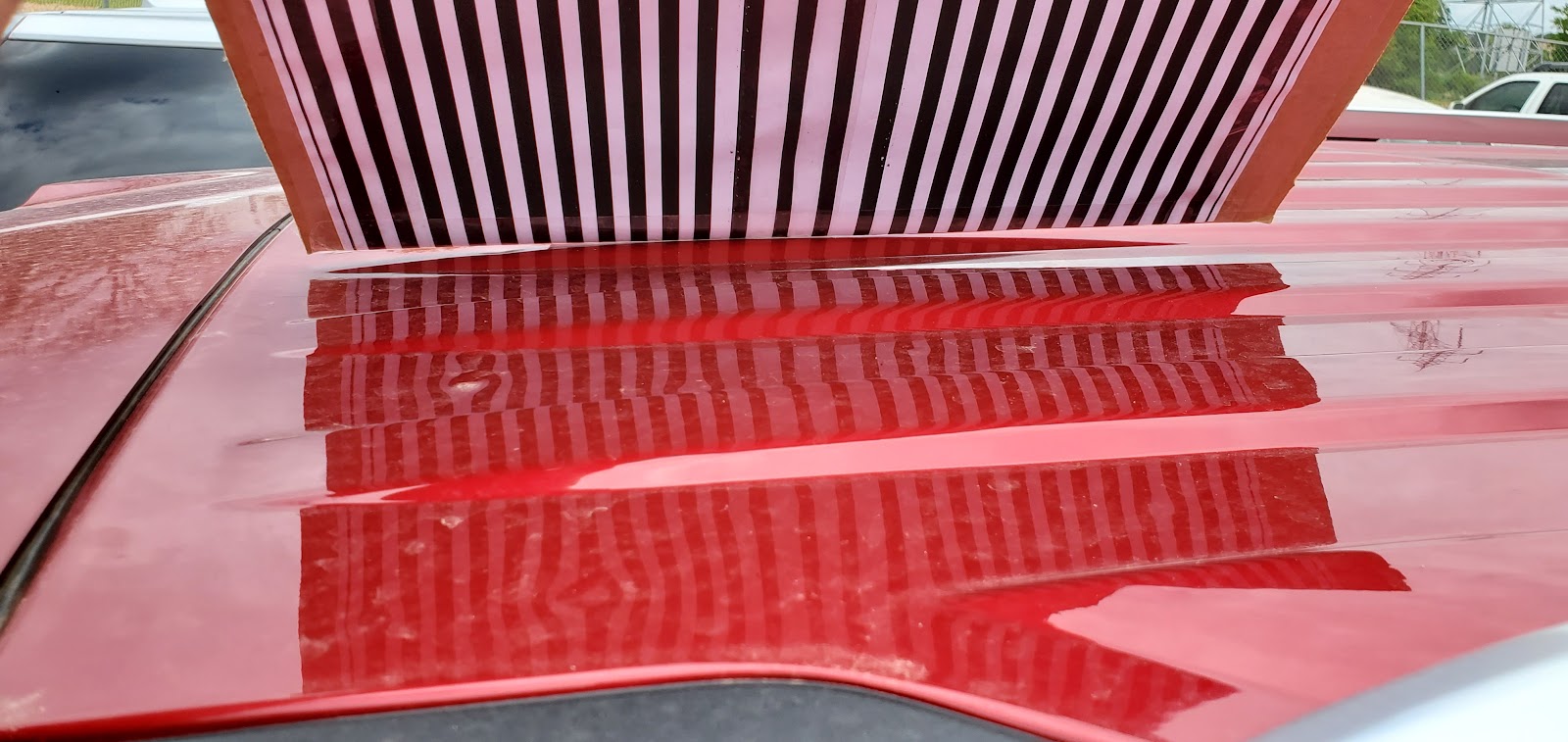 Frame StraighteningWhen a collision bends the frame, your vehicle's alignment and safety are compromised. Our frame straightening equipment pulls the structure back to factory specifications. We measure every dimension to ensure the frame is square and true before any bodywork begins.View details
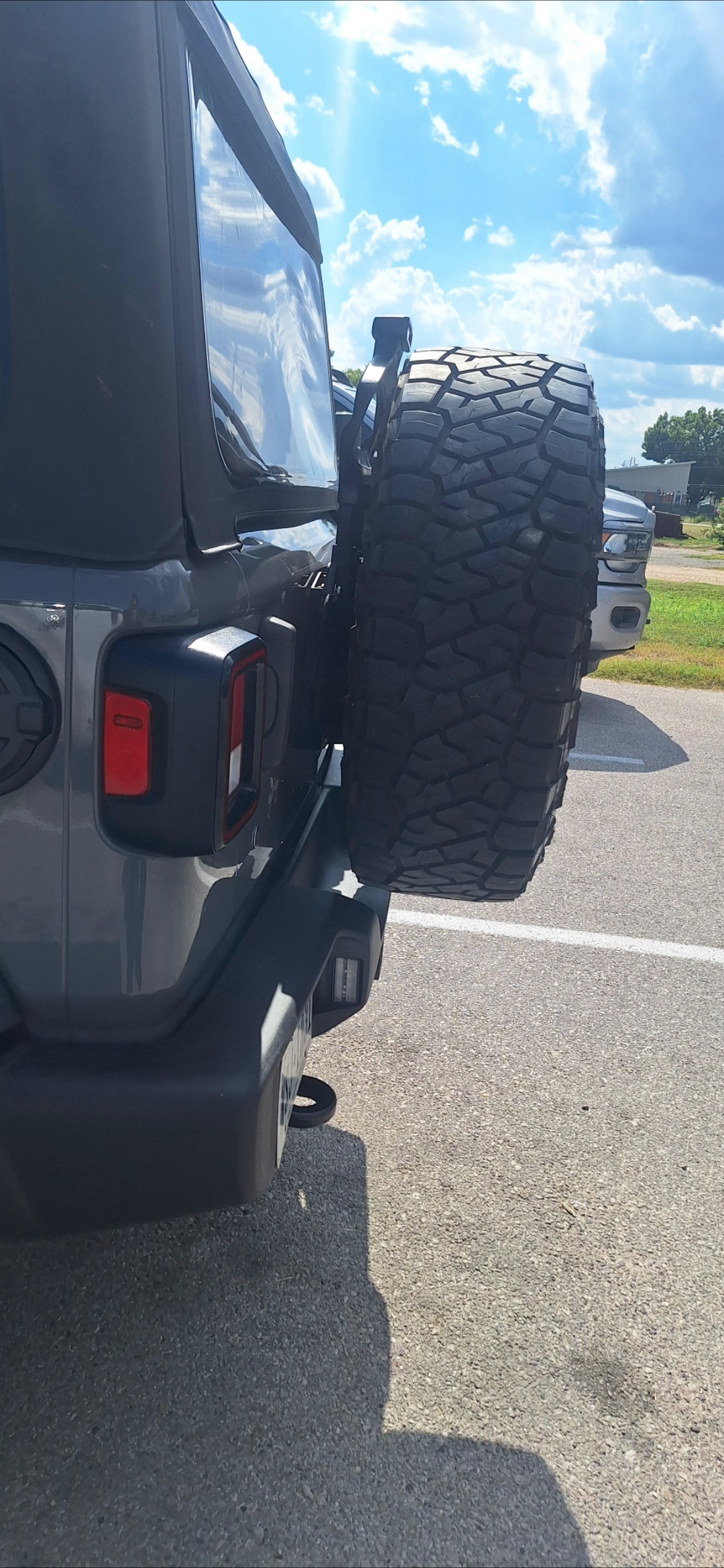 Collision RepairWhen an accident leaves your vehicle damaged, our team restores it to pre-accident condition. We handle everything from minor fender benders to major impacts, using precise techniques to realign panels and structure. You get a vehicle that's safe, straight, and ready for the road.View details
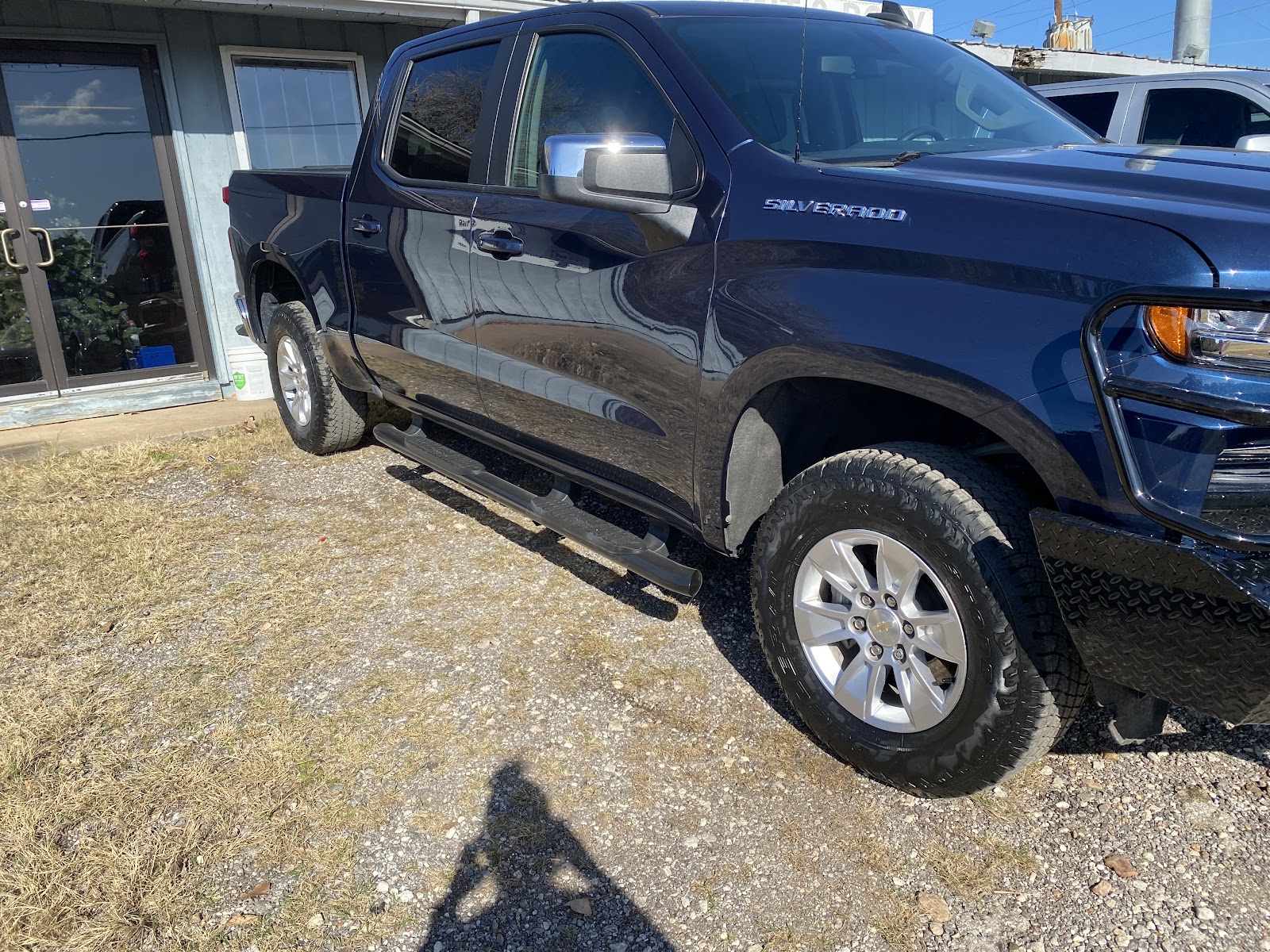 Paint ServicesWhether your clear coat is fading, you've got a scratch, or you want a full color change, our paint work is precise and long-lasting. We match colors carefully, even on difficult shades, and apply finishes that look factory-fresh. Your car leaves looking like it just rolled off the lot.View details
Scratch & Chip Repair FAQs
Get Your Free Estimate
Stop by our shop on Highway 71 or give us a call. We will take a look at your vehicle and give you an honest, detailed estimate with no obligation.