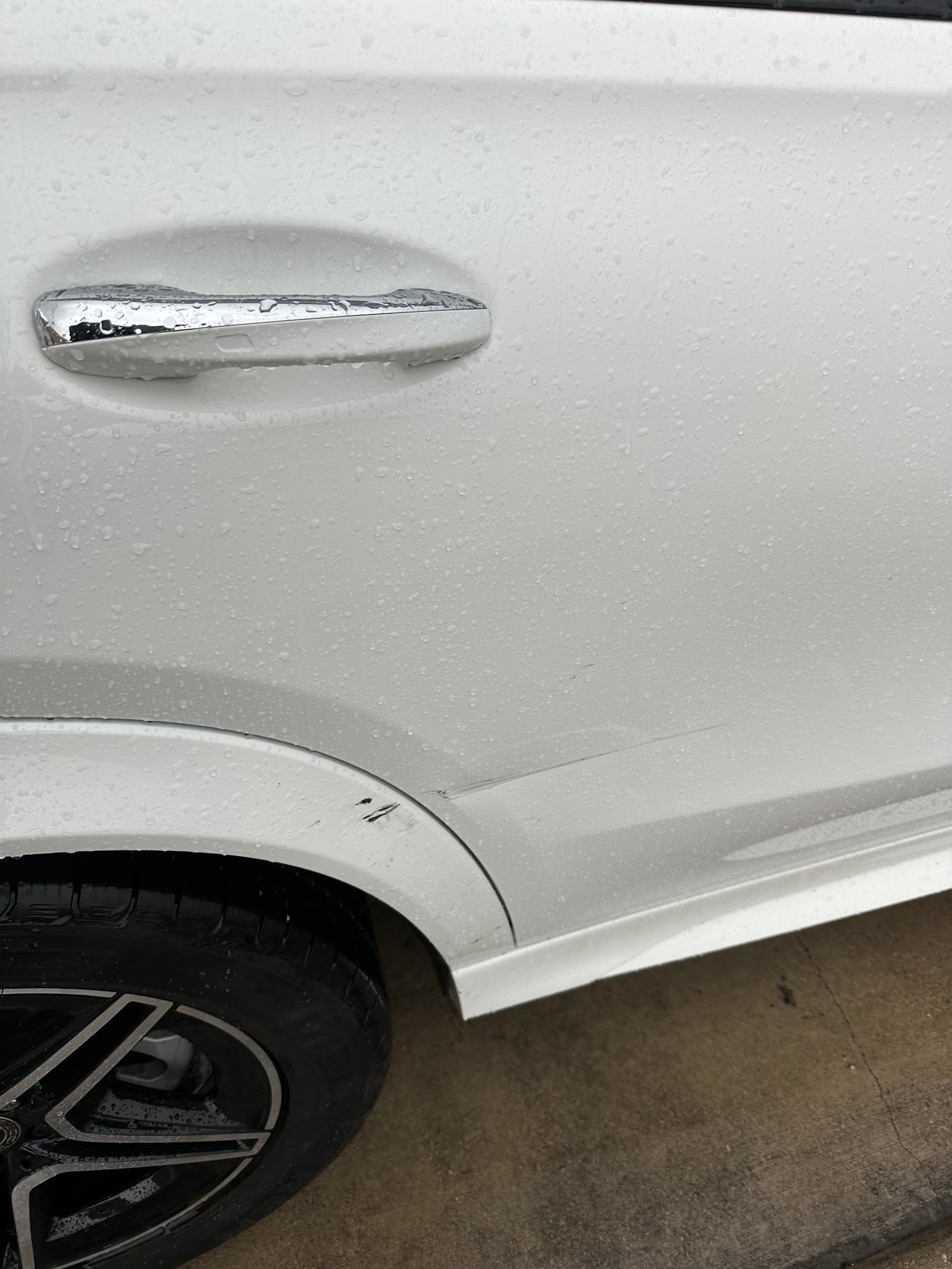
Why Hidden Damage Is Common
After a collision, the visible damage, a crumpled bumper, a cracked taillight, a dented door, is usually just the tip of the iceberg. The energy from the impact travels through the vehicle's structure, often bending or cracking components that are hidden behind plastic trim, under the bumper cover, or inside the wheel well. Bumper reinforcement bars, impact absorbers, and mounting brackets are designed to crush and deform in a collision to absorb energy, and they may need replacement even if the bumper cover itself looks reusable. If those parts are not replaced, the bumper system will not perform properly in a future crash.
The same principle applies to the vehicle's frame or unibody. A low-speed impact that leaves only a scuff on the bumper can still transfer enough force to tweak the frame rails or the radiator support. That slight misalignment may not be visible to the naked eye, but it can affect how the hood, fenders, and doors line up. Over time, misaligned panels can cause uneven tire wear, wind noise, and water leaks. Our crew has seen vehicles where the owner thought the damage was purely cosmetic, only to find during disassembly that the structural components were compromised.
Areas to Inspect on Your Vehicle
Start by looking at the gaps between panels. On an undamaged vehicle, the gaps between the hood and fender, the door and quarter panel, and the tailgate and bumper should be even all the way around. If one gap is wider or narrower than the others, or if a panel sits higher or lower than its neighbor, that is a sign that something underneath is bent or out of place. Open and close the hood, trunk, and all doors. If they stick, rub, or require extra force to close, the underlying structure may be shifted. Also check the latch alignment, a misaligned latch can cause the hood or door to pop open unexpectedly.
Next, inspect the underside of the bumper covers and the wheel wells. Look for cracked or broken plastic brackets, crushed foam absorbers, or bent metal flanges. If the bumper cover has been pushed back, the mounting points may be broken even if the cover itself appears intact. Inside the wheel well, check the inner fender liner and the suspension components. A bent control arm, a cracked strut mount, or a damaged tie rod end can affect steering and alignment, and those parts are often hidden behind the wheel and tire. If you see fresh fluid leaks, such as coolant, power steering fluid, or transmission fluid, the impact may have damaged a radiator, a cooler, or a line.
Signs of Frame or Unibody Damage
Frame or unibody damage is not always obvious from the outside, but there are clues you can look for. Park the vehicle on a level surface and check whether it sits level from side to side and front to back. If one corner sits lower than the others, the suspension mounting points or the frame rail may be bent. Walk around the vehicle and look at the tire positions from the front and rear. If a tire is pushed back in the wheel well or sticks out farther than the others, the subframe or control arm mounting area may be damaged. Uneven tire wear that appears shortly after an accident is another red flag.
Inside the cabin, check the dashboard and steering column. If the dashboard is pushed upward or has gaps along the edges, the firewall or cowl area may have been pushed back by the impact. The steering wheel should be centered when the vehicle is driving straight. If it is off-center, the steering rack or the mounting points may be bent. Also check the seat tracks and seatbelt retractors. Seats that do not slide smoothly or seatbelts that do not retract fully can indicate that the floorpan or B-pillar area was deformed. These are all signs that a professional measurement and alignment check is needed.
Why a Professional Inspection Matters
A trained technician uses tools that go far beyond what the naked eye can see. A three-dimensional measuring system, such as a laser or electronic tram gauge, compares the vehicle's frame and suspension mounting points to the factory specifications. This measurement can detect a misalignment of just a few millimeters, which is enough to cause handling problems and accelerated tire wear. Without that equipment, a bent frame rail or a twisted subframe can go unnoticed until the vehicle starts pulling to one side or eating through tires. A professional inspection also includes a thorough disassembly of the damaged area to check behind panels and trim.
Insurance companies often write initial estimates based on visible damage only. If hidden damage is found later, a supplement is submitted to cover the additional repairs. That process is standard, but it requires a shop that is willing to take the time to look deeper. A shop that rushes through the estimate or that does not recommend disassembly may miss critical damage. Our crew always recommends a full inspection after any accident, even if the damage appears minor. The cost of that inspection is small compared to the safety risk and the expense of repairing a problem that has been allowed to worsen.
Steps to Take After an Accident
If you have been in a collision, start by documenting the visible damage with photographs from multiple angles, including close-ups of any cracks, dents, or misalignments. Take photos of the vehicle's overall stance and the gaps between panels. Then schedule a professional inspection as soon as possible, even if you plan to file an insurance claim later. The sooner hidden damage is identified, the sooner it can be addressed, and the less likely it is to cause secondary problems such as rust or mechanical wear. Do not drive the vehicle for an extended period if you suspect structural damage, because the alignment may be off enough to cause uneven tire wear or further damage to suspension components.
When you bring the vehicle to a shop, ask them to show you what they find during disassembly. A reputable shop will be happy to walk you through the damage and explain why each repair is necessary. They should also provide a written estimate that includes both the visible and the suspected hidden damage, with a note that a supplement may be needed once the vehicle is taken apart. This transparency helps you understand the full scope of the repair and avoid surprises later. At Lost Pines Paint & Body, we take the time to inspect every vehicle thoroughly and explain what we find, so you can move forward with confidence.